Tetris placement choices: six recorded examples
The downloads contain six original inputs, their expected labels and one recorded API observation per input revision. Disagreements stay visible.
Provide legal candidates, computed afterstate facts and a strategy goal. Compare the offered placements under that goal; this text exercise does not calculate legality or operate a live game.
A Tetris move includes a rotation and final placement. The game engine can enumerate legal candidates and compute what each resulting board permits; this example starts after that work has been done.
The editable inputs describe those computed effects in words. They make the goal visible so you can inspect a tradeoff such as an immediate clear that closes the next piece's entry. They are synthetic scenarios, not board states executed by this webpage.
The linked implementation separates a live Jev request from a local fixture that uses a scoring formula. This page records actual API responses to its own original examples; it does not reuse the fixture's fixed score or claim optimal play.
This is an independently authored text demonstration inspired by the linked X discussion. Its rules and synthetic inputs are ours. It does not reproduce the author’s application, verify reported outcomes, or perform an external action.
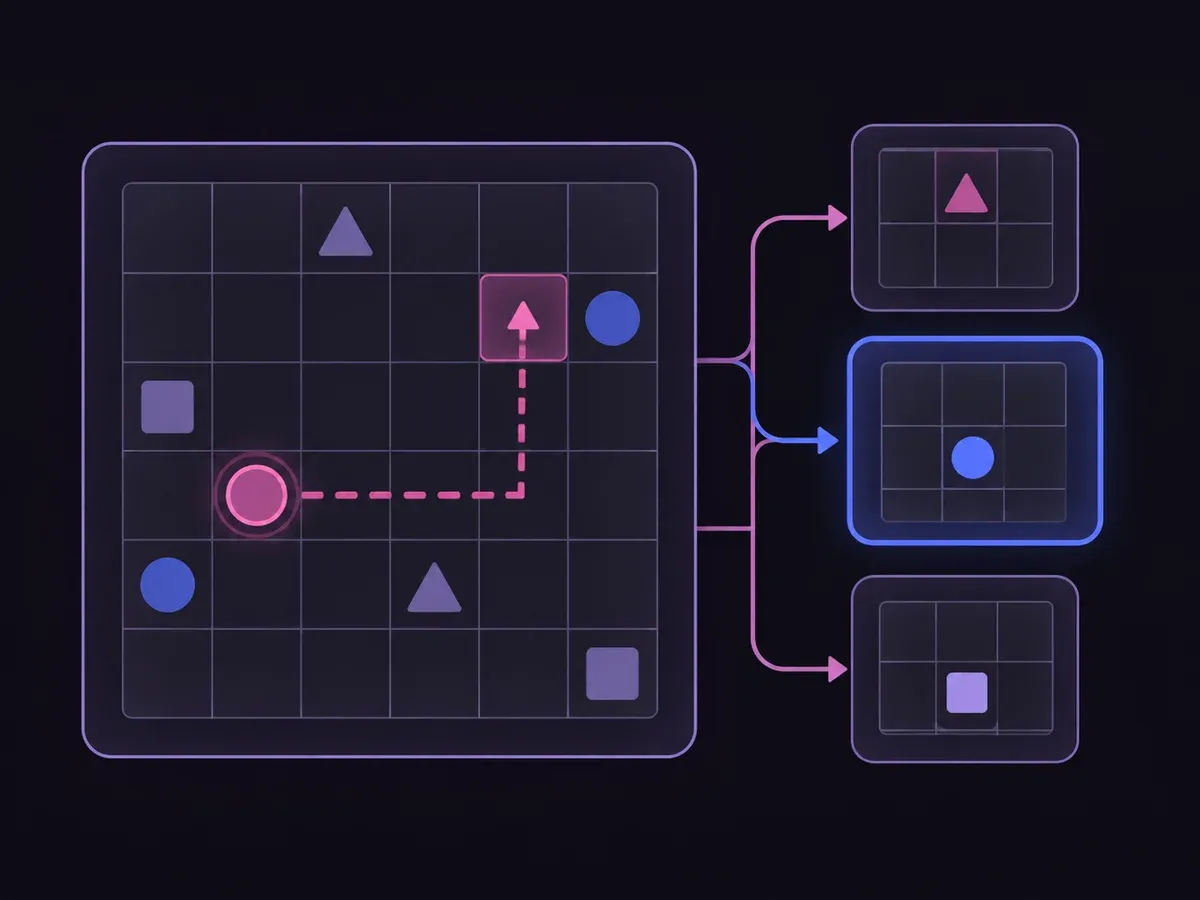
Use the sample to understand the rule, then test your own input for tetris placement choices.

Provide legal candidates, computed afterstate facts and a strategy goal.
Open the decision rules and keep the intended distinction between A, B, C, Review. Edit the choices only when testing your own rule.
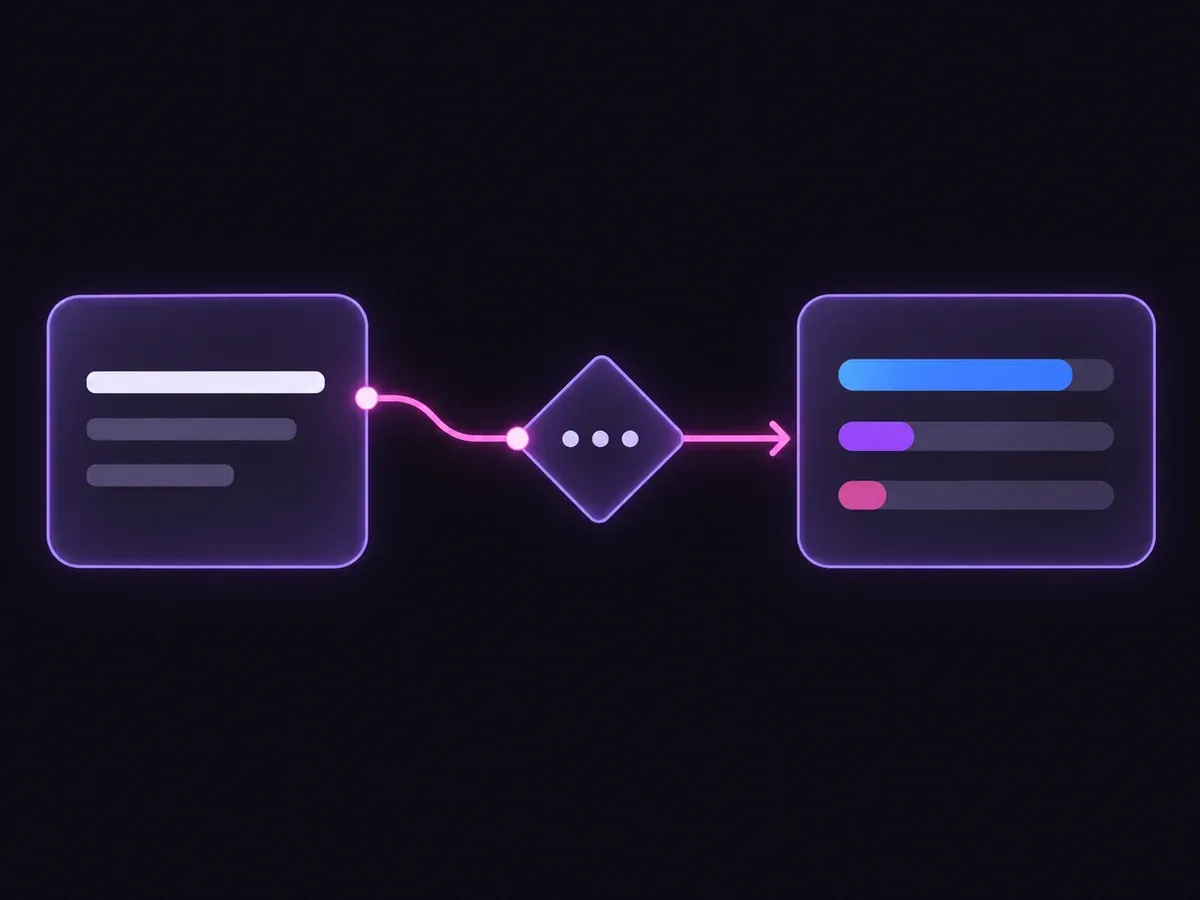
Use a sample first, then try your own input. Compare the selected label with the other returned probabilities.

Review Review before using a result. The label is a decision about the supplied information, not an executed action.
| Original input | Observed label | Leading probability |
|---|---|---|
| Quick clear closes the next lane | B | 100% |
| Immediate survival | A | 99.0% |
| Preserve the prepared well | C | 98.0% |
| Missing collision validation | Review | 69.0% |
| Equal supplied outcomes | Review | 87.0% |
| Unsupported next-piece claim | Review | 100% |
These are six original synthetic inputs, tested once per request revision. The percentage is the leading option probability, not measured accuracy. Authored expectations and any disagreements remain in the downloadable evidence. 6 of 6 results matched the authored fixture expectations.Verified
The downloads contain six original inputs, their expected labels and one recorded API observation per input revision. Disagreements stay visible.
The single-request SDK runner uses your private TYPESAFE_API_KEY. The offline consumer reads saved observations, checks request hashes and prints a pending output. It does not call the model or change any external system.
# Offline: inspect the downloaded saved observations. No API key is needed.
python preview_choice_workflow.py samples.json saved-api-results.json

# Optional live request: install the SDK and set TYPESAFE_API_KEY privately.
npm install @typesafe-ai/sdk@0.6.0
node run-choice-sample.mjs samples.json case-1
# The live response prints to the terminal; it does not update saved-api-results.json.The input contract and these limits define what the result means.
No. It demonstrates the selection step using editable text descriptions. A game would generate the legal moves, compute their effects and validate the chosen ID against the current state.
A known numeric objective may be better handled by ordinary code. This exercise explores an explicit language goal over computed candidates; it does not show that a model beats a game heuristic.
It describes the distribution over the supplied choices for this request. These six synthetic examples are functional tests with authored expectations, not a production accuracy benchmark.
No. The demo displays a label and distribution. The downloadable consumer produces a pending preview packet. Application code and a separate authorization policy would control any real action.
Edit the example above to see how a changed fact affects the decision, or open the Playground for another task.