Source and example scope
Compare each saved result with its authored expectation. A disagreement remains in the fixture review; the call is not repeated to obtain a preferred label.
Compare a fictional history note with a scene plan. Identify character context, a world constraint or a plot dependency, keeping unrelated history separate from the scene's requirements.
A long fictional history can contain useful constraints alongside details that do not affect the next scene. This example classifies the role a note plays in a supplied plan instead of asking the model to write the chapter.
Character context explains a relationship or motive. World constraint supplies a setting rule. Plot dependency points to an unresolved event that the scene needs to address. The distinctions help a writer inspect why a note is being loaded.
A familiar character name alone does not make a note useful. The pet-pebble fixture names Mira but explicitly disconnects the detail from the confrontation. The demo neither verifies a published canon nor invents hidden story facts.
This is an original synthetic demonstration adapted from the cited workflow discussion. It does not reproduce the source application or verify its performance, adoption or security claims.
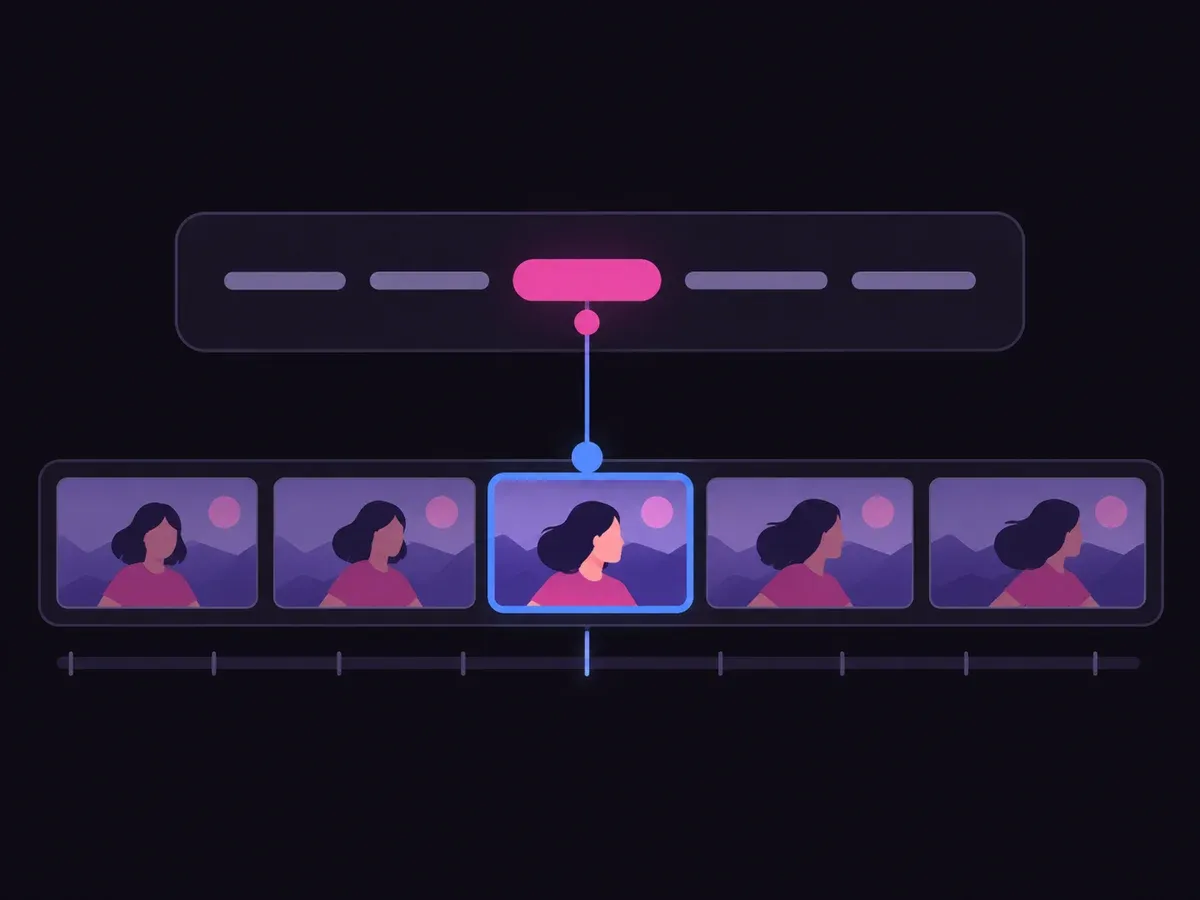
Use the sample to understand the rule, then test your own input for story context roles.

Compare a fictional history note with a scene plan.

Open the decision rules and keep the intended distinction between Character context, World constraint, Plot dependency, Unrelated history, Need evidence. Edit the choices only when testing your own rule.

Use a sample first, then try your own input. Compare the selected label with the other returned probabilities.

Review Need evidence before using a result. The label is a decision about the supplied information, not an executed action.
| Original input | Observed label | Leading probability |
|---|---|---|
| A character motive | Character context | 98.0% |
| Setting rule | World constraint | 100% |
| Unresolved promise | Plot dependency | 100% |
| Distant history | Unrelated history | 100% |
| Familiar name, unrelated detail | Unrelated history | 100% |
| No scene plan | Need evidence | 100% |
These are six original synthetic inputs, tested once per request revision. The percentage is the leading option probability, not measured accuracy. Authored expectations and any disagreements remain in the downloadable evidence. 6 of 6 results matched the authored fixture expectations.Verified
Compare each saved result with its authored expectation. A disagreement remains in the fixture review; the call is not repeated to obtain a preferred label.
The single-request SDK runner uses your private TYPESAFE_API_KEY. The offline consumer reads saved observations, checks request hashes and prints a pending output. It does not call the model or change any external system.
npm install @typesafe-ai/sdk@0.6.0
# Set TYPESAFE_API_KEY privately in your shell.
node run-choice-sample.mjs samples.json case-1
python preview_choice_workflow.py samples.json saved-api-results.jsonThe rubric explains the decision; the application owns the next step.
No. A dependency comes from an unresolved event, such as a promised delivery. A setting rule describes how the fictional world operates.
Yes. These fixtures make one role primary. For notes with equally central roles, use a multi-question or multi-label contract rather than silently discarding a role.
No. It is the model distribution for this one request. The six examples are functional checks with authored expectations, not a representative benchmark. Inspect disagreements and evaluate your own examples before using the label.
The window shows an error and supplies no fresh judgment. The downloadable runner sends one request without retries. Need evidence is a valid outcome about incomplete input; it does not stand in for a network or provider failure.
Edit the evidence above or use the Playground to test another bounded question.