Jev React derived state

Check whether a React effect only stores derived state

Show the effect, value ownership and editing requirements. Distinguish values derived from props or state from external synchronization and mixed reset policies before deciding whether an effect is needed.

React derived stateLive API
Try an example

The stored value has no independent owner.

Source: API-collected workflow inspiration; original demonstration below

Source and example scope

This original code-reading exercise adapts a rule in the jev-lint repository linked by the cited X post. Snippets, labels and missing-context handling are authored for this page. It does not execute code, reproduce a repository scan or certify an application as safe.

Classify the shown effect: Derived if its only job is storing a value calculated from current props or state, with no independent editing need; External if it synchronizes an external system; Mixed if both occur or user-editable/reset behavior requires a separate policy.

Decision rules and labels
DerivedExternalMixedUnclear
A real response from the Jev API

Edit any input to explore a different decision. No request is sent until you run it.

Your next decision

Not run yet

Choose an example or write your own input, then run it to see the ranked choices.

Results are not stored by this site. Your submitted text is processed by the API provider.

The decision

What the decision checks

Supply the effect as text with who owns each value, whether users edit it, and what any helper does. In Computed full name, the display value comes entirely from first and last, so the authored expectation is Derived. Player synchronization changes an external player, so its expectation is External.

Mixed covers effects with both responsibilities and editable drafts with a reset policy. Unclear means the supplied context cannot establish behavior. The unavailable syncModel helper deliberately exercises that boundary; its saved model response must still be checked against the authored expectation.

Use Derived to open a refactoring review, External to inspect the synchronization lifecycle, Mixed to separate responsibilities or define reset behavior, and Unclear to request the missing implementation. The demo returns a label and probabilities; it does not execute React or modify the component.

This original code-reading exercise adapts a rule in the jev-lint repository linked by the cited X post. Snippets, labels and missing-context handling are authored for this page. It does not execute code, reproduce a repository scan or certify an application as safe.
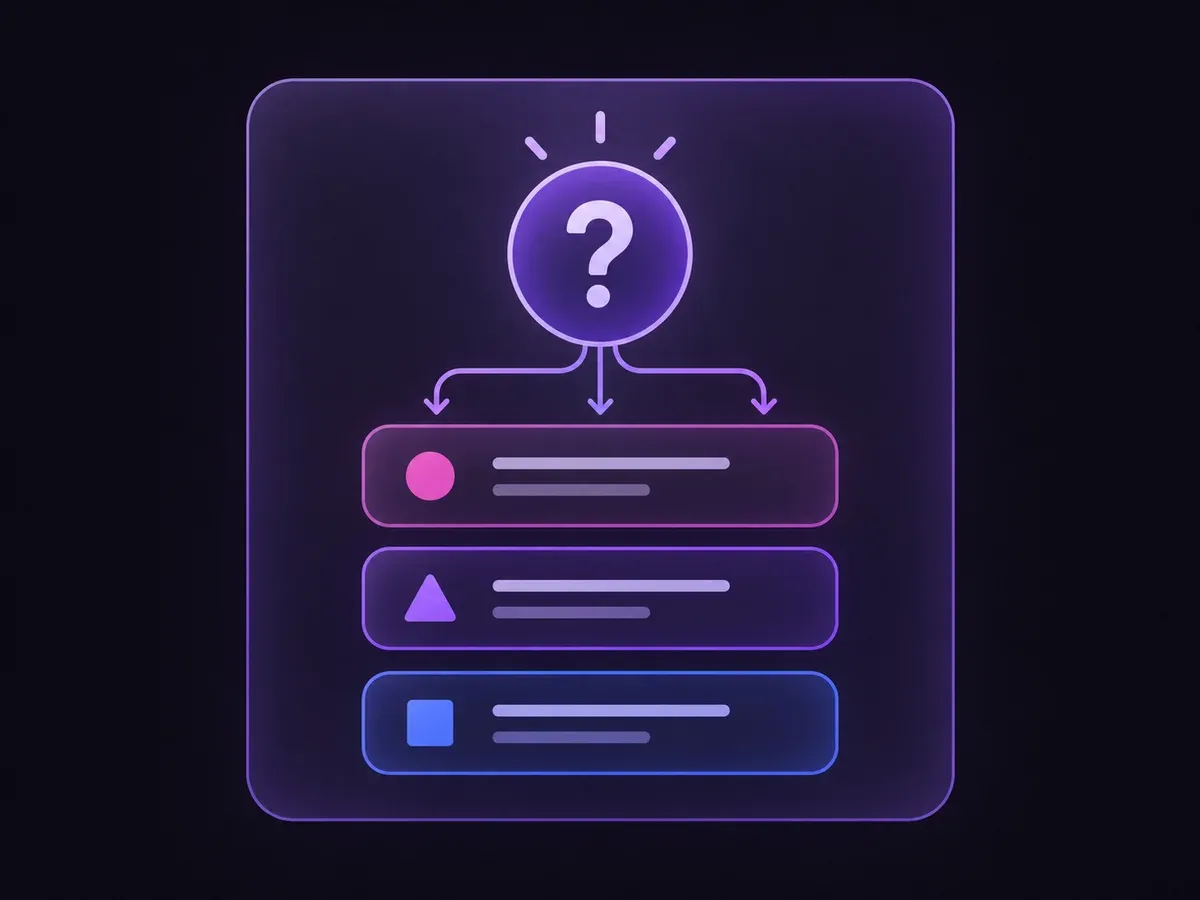
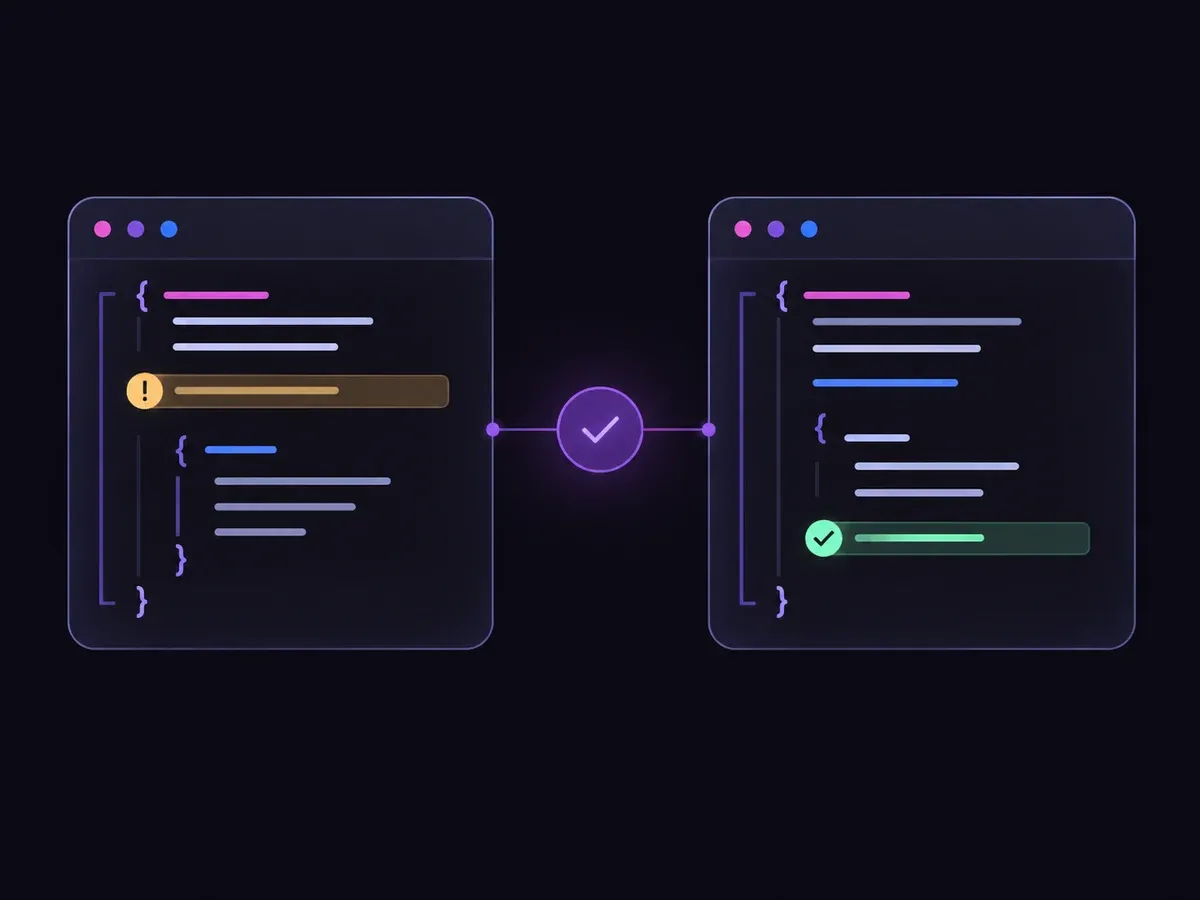
Illustration of checking a code change and reviewing a flagged line
Illustration of the decision flow.
How it works

Try the example in four steps

Use the sample to understand the rule, then test your own input for react derived-state review.

  1. Illustration of adding the text or evidence for a decision

    Add the information to check

    Show the effect, value ownership and editing requirements.

  2. Illustration of defining a question and its allowed choices

    Confirm the question and labels

    Open the decision rules and keep the intended distinction between Derived, External, Mixed, Unclear. Edit the choices only when testing your own rule.

  3. Illustration of sending one input and comparing the returned choices

    Run the decision

    Use a sample first, then try your own input. Compare the selected label with the other returned probabilities.

  4. Illustration of reviewing a result and an uncertain item before using it

    Review the next step

    Review Unclear before using a result. The label is a decision about the supplied information, not an executed action.

Our API test

Recorded API observations

Recorded API observations
Original inputObserved labelLeading probability
Computed full nameDerived99.0%
Filtered display listDerived100%
Player synchronizationExternal98.0%
Editable draft resetMixed87.0%
Two jobs togetherMixed68.0%
Unavailable functionUnclear78.0%

These are six original synthetic inputs, tested once per request revision. The percentage is the leading option probability, not measured accuracy. Authored expectations and any disagreements remain in the downloadable evidence. 6 of 6 results matched the authored fixture expectations.Verified

Understand the results

Using the result in your application

Download samples.json, saved-api-results.json and the offline preview consumer to inspect the six saved decisions without an API call.

Read the example notes

Separately, the SDK runner can send case-1 as a new request using your private key. That new response prints to the terminal and does not replace the saved observations.

Using the result in your application

The single-request SDK runner uses your private TYPESAFE_API_KEY. The offline consumer reads saved observations, checks request hashes and prints a pending output. It does not call the model or change any external system.

Replay options

Inspect saved outputs or request a new decision

View the code example
Two independent commands
# Offline: inspect the downloaded saved observations. No API key is needed.
python preview_choice_workflow.py samples.json saved-api-results.json

# Optional live request: install the SDK and set TYPESAFE_API_KEY privately.
npm install @typesafe-ai/sdk@0.6.0
node run-choice-sample.mjs samples.json case-1
# The live response prints to the terminal; it does not update saved-api-results.json.
Scope of this demo

Where this decision fits

Useful scope

  • Reviewing derived display values
  • Distinguishing external synchronization
  • Making editable-state policies explicit

Outside this demonstration

  • Automatically deleting effects
  • Proving render performance
  • Inferring unavailable helper behavior
Example FAQ

Using this example

The input contract and these limits define what the result means.

Is any setState inside an effect wrong?

No. Inspect the value’s ownership and lifecycle. This example does not reject editable drafts merely because their reset uses an effect.

Does Derived measure a performance problem?

No. It identifies a code pattern from supplied evidence. Runtime measurements and behavior tests are separate.

Does the leading probability measure accuracy?

It describes the distribution over the supplied choices for this request. These six synthetic examples are functional tests with authored expectations, not a production accuracy benchmark.

Will a result change an external system?

No. The demo displays a label and distribution. The downloadable consumer produces a pending preview packet. Application code and a separate authorization policy would control any real action.

Test a different input

Edit the example above to see how a changed fact affects the decision, or open the Playground for another task.