Lost-update protection: six recorded examples
The downloads contain six original inputs, their expected labels and one recorded API observation per input revision. Disagreements stay visible.
Describe the read-modify-write path and its concurrency controls. Compare atomic updates, effective locks and checked versions with unprotected writes, preserving uncertainty about missing contracts.
Atomic commit and protection from lost updates answer different questions. A transaction can commit every intended write together while still saving a value calculated from an old read.
The example accepts explicit atomic-expression, locking or version-check semantics. It does not infer an isolation level or a database guarantee from a framework call.
The source rule checks shared numeric read-modify-write paths. These synthetic descriptions expose the protection boundary without opening a database or running competing requests.
This is an independently authored text demonstration inspired by the linked X discussion. Its rules and synthetic inputs are ours. It does not reproduce the author’s application, verify reported outcomes, or perform an external action.
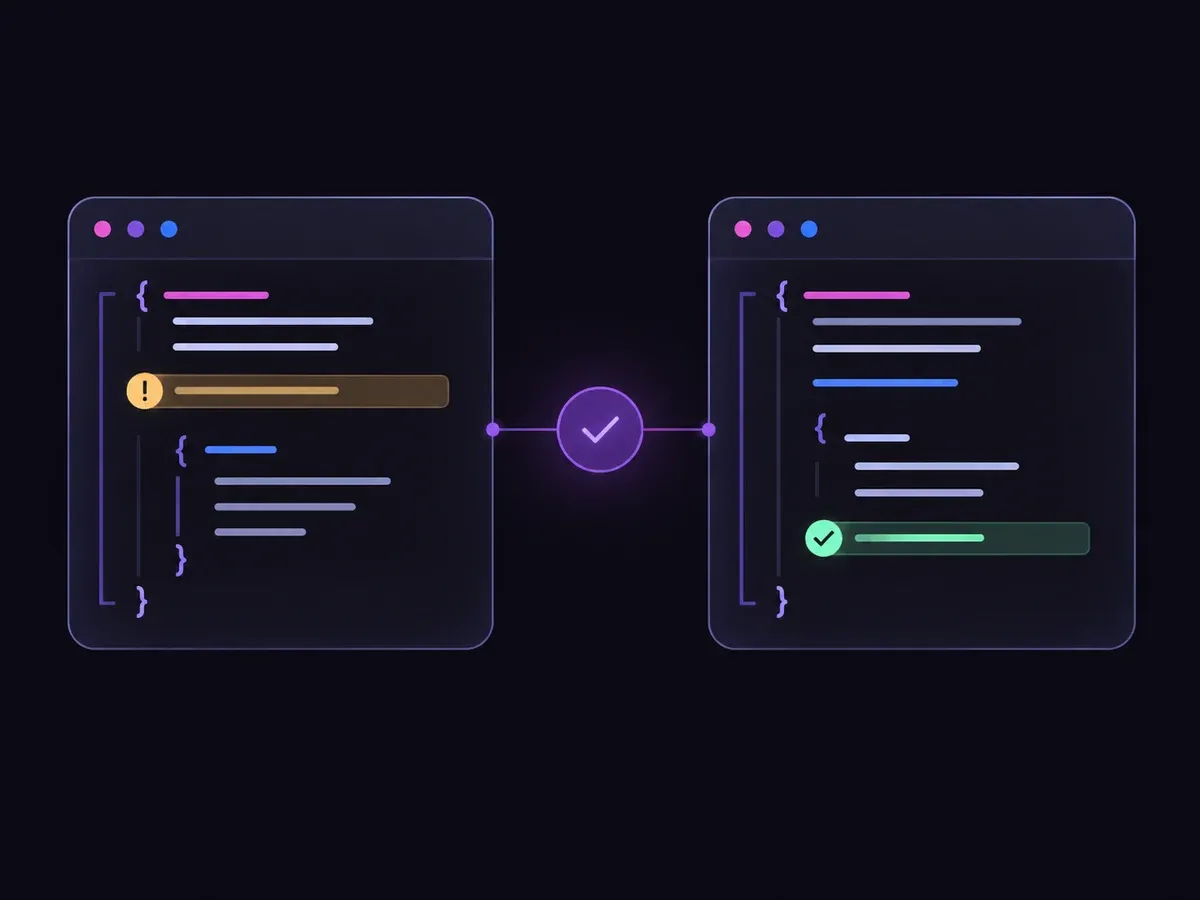
Use the sample to understand the rule, then test your own input for lost-update protection.

Describe the read-modify-write path and its concurrency controls.
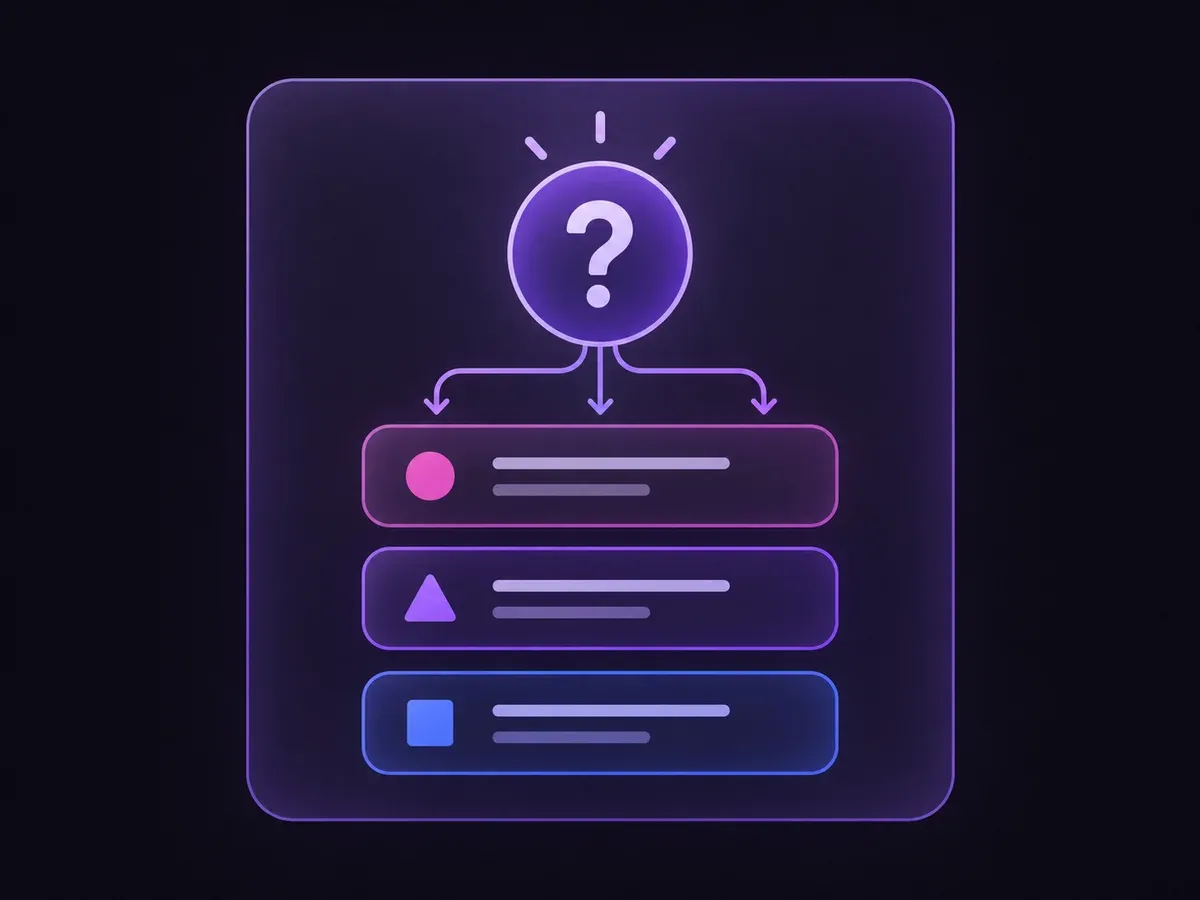
Open the decision rules and keep the intended distinction between Unprotected, Protected, No shared update, Review. Edit the choices only when testing your own rule.
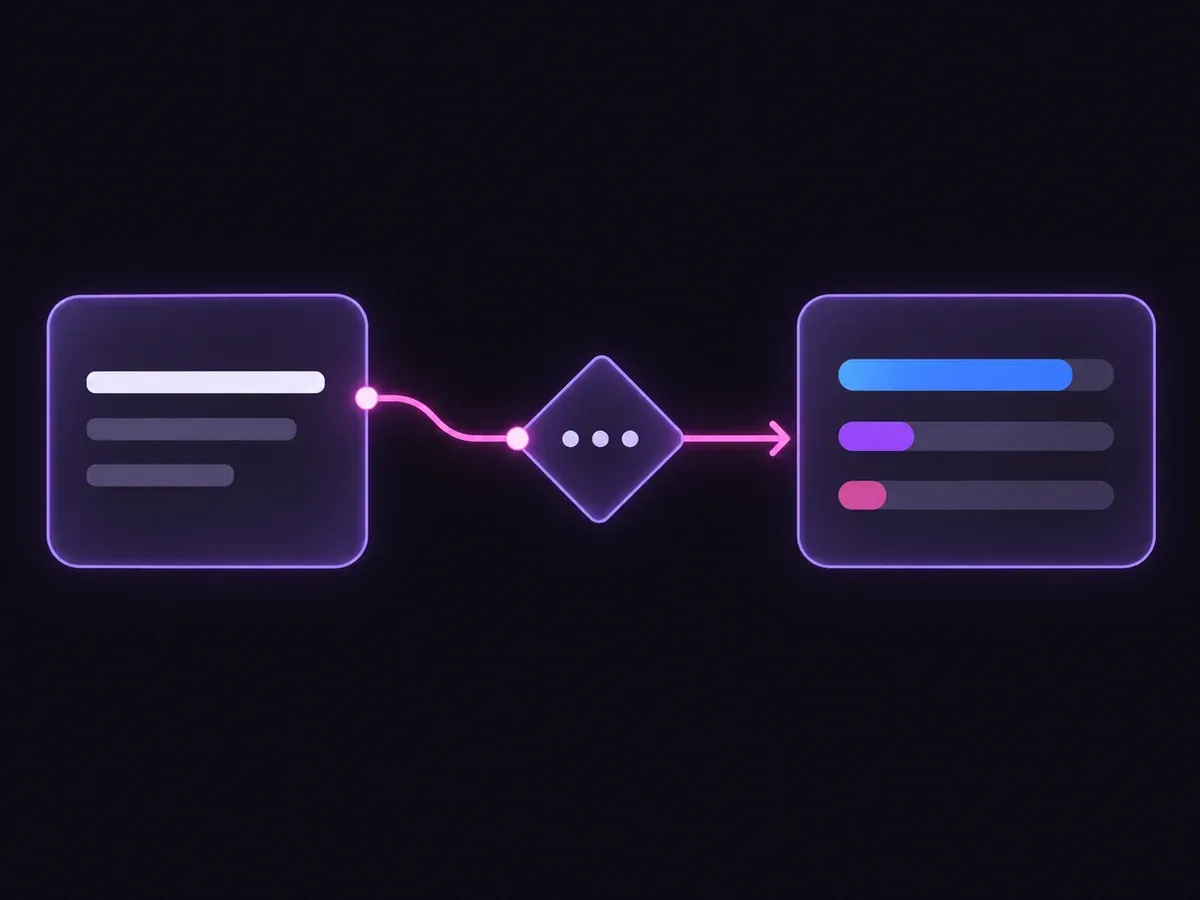
Use a sample first, then try your own input. Compare the selected label with the other returned probabilities.

Review Review before using a result. The label is a decision about the supplied information, not an executed action.
| Original input | Observed label | Leading probability |
|---|---|---|
| Stale counter save | Unprotected | 100% |
| Atomic database expression | Protected | 100% |
| Version check with conflict handling | Protected | 99.0% |
| Effective row lock | Protected | 99.0% |
| Local draft object | No shared update | 100% |
| Unknown isolation guarantee | Review | 67.0% |
These are six original synthetic inputs, tested once per request revision. The percentage is the leading option probability, not measured accuracy. Authored expectations and any disagreements remain in the downloadable evidence. 6 of 6 results matched the authored fixture expectations.Verified
The downloads contain six original inputs, their expected labels and one recorded API observation per input revision. Disagreements stay visible.
The single-request SDK runner uses your private TYPESAFE_API_KEY. The offline consumer reads saved observations, checks request hashes and prints a pending output. It does not call the model or change any external system.
# Offline: inspect the downloaded saved observations. No API key is needed.
python preview_choice_workflow.py samples.json saved-api-results.json

# Optional live request: install the SDK and set TYPESAFE_API_KEY privately.
npm install @typesafe-ai/sdk@0.6.0
node run-choice-sample.mjs samples.json case-1
# The live response prints to the terminal; it does not update saved-api-results.json.The input contract and these limits define what the result means.
Not by itself in the supplied evidence. The review needs the atomic update, effective lock, version guard or an explicit isolation guarantee that protects this path.
No. It classifies the stated control flow. A concurrency test is needed to observe actual runtime behavior.
It describes the distribution over the supplied choices for this request. These six synthetic examples are functional tests with authored expectations, not a production accuracy benchmark.
No. The demo displays a label and distribution. The downloadable consumer produces a pending preview packet. Application code and a separate authorization policy would control any real action.
Edit the example above to see how a changed fact affects the decision, or open the Playground for another task.