Useful scope
- Reviewing a rejected form-submission path
- Distinguishing success-only reset from failure clearing
- Finding missing state or helper implementations
Follow the failure branch and the state it owns before deciding whether entered values survive.
The first preset clears the editable values after a rejection. The return-before-reset preset leaves the same reset operation on the successful path, so its failure branch preserves the input. The location of the operation changes the result.
The restoration preset captures the values before submitting and writes them back after failure. A helper called reset cannot establish either outcome when its implementation is omitted. The demonstration therefore asks for both the failure branch and value ownership.
The source rule is marked review-only and looks for explicit value clearing on an error path. This original demonstration returns a behavior label from supplied code. It does not submit a form, run JavaScript or decide whether a deliberate clearing policy is appropriate.
The API-collected roundup links the cited project. Its pinned source defines the decision adapted here. These synthetic inputs and explicit missing-context outcomes are original to this demonstration. The window returns a label; it does not run the linked application, execute its downstream actions or verify its performance claims.
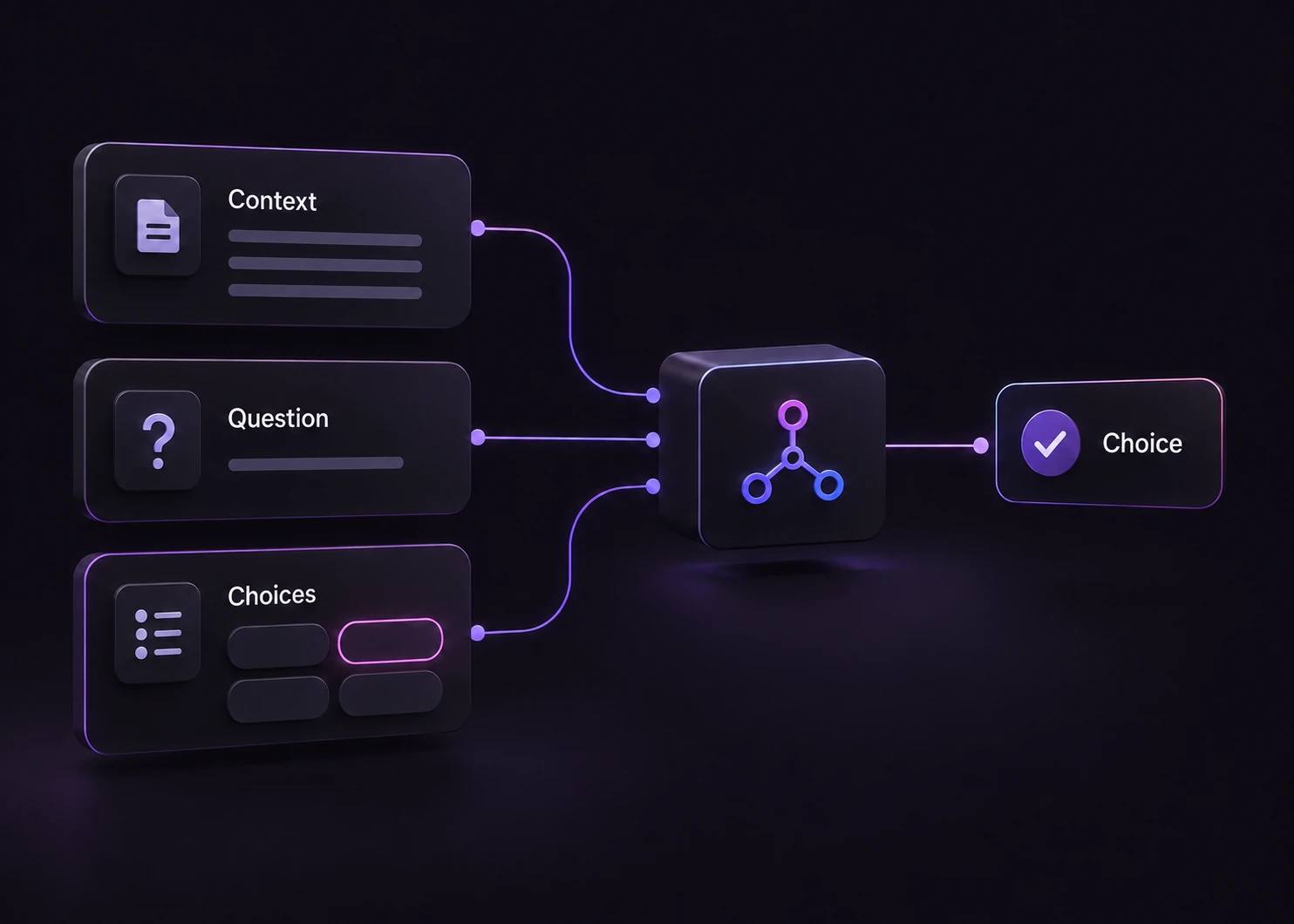
Supply complete evidence, read the rule, run a judgment and keep the observation with its input.

Supply the failure branch, relevant helpers and value owner.

The decision rule and the choice labels are sent with the evidence. Trace clearing, preservation or restoration only along the shown path.
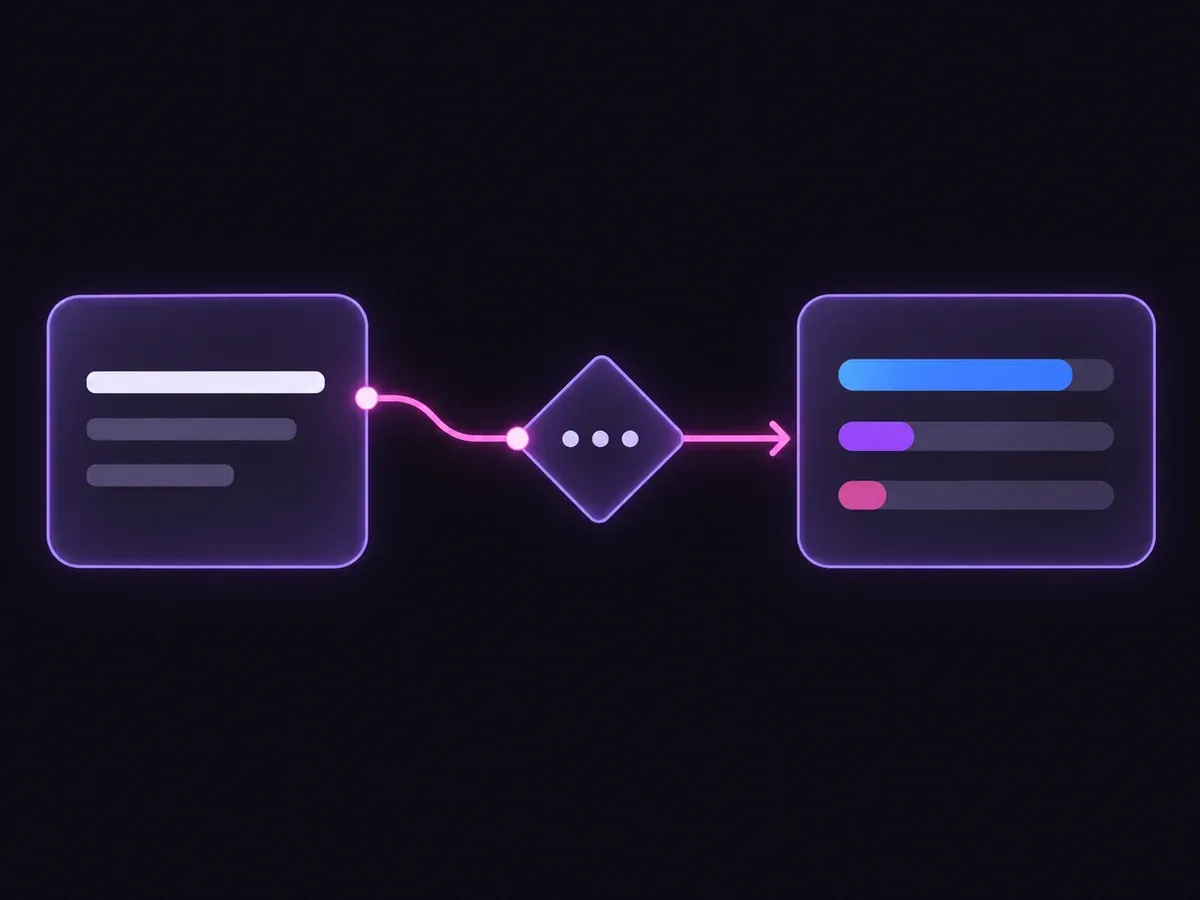
The window makes a fresh server-side API request. It displays the highest-probability label, elapsed request time and estimated token cost. A provider failure produces an error, not a missing-evidence label.

Use the observation to plan a real form test separately. Download the requests and saved observations. The offline consumer validates their hashes and prints a pending packet without executing it.
| Original input | Observed label | Leading probability |
|---|---|---|
| Reset after rejection | Values cleared | 100% |
| Return before reset | Values preserved | 82.0% |
| Restore saved values | Values preserved | 100% |
| Successful reset only | Not a failure path | 100% |
| Unknown reset helper | Need source | 90.0% |
| Form tag only | Need source | 57.0% |
These are six original synthetic inputs, tested once per request revision. The percentage is the leading option probability, not measured accuracy. Authored expectations and any disagreements remain in the downloadable evidence. 6 of 6 results matched the authored fixture expectations.Verified
Replay the saved synthetic requests to inspect each recorded decision. Authored expectations and model disagreements remain available; these examples are not a production accuracy benchmark.
The single-request SDK runner uses your private TYPESAFE_API_KEY. The offline consumer reads saved observations, checks request hashes and prints a pending output. It does not call the model or change any external system.
npm install @typesafe-ai/sdk@0.6.0
# Set TYPESAFE_API_KEY privately in your shell.
node run-choice-sample.mjs samples.json case-1
python preview_choice_workflow.py samples.json saved-api-results.jsonInput scope and downstream handling determine what this judgment means.
No. It identifies the supplied behavior. A deliberate policy, such as removing sensitive input, requires a separate product and security review.
A reset helper can clear an error message, editable values or another state. Its name alone does not establish what users lose.
No. It is one value in the returned distribution over this request’s choices. The six synthetic fixtures have authored expectations; they do not measure production accuracy.
The window displays an error without a fresh judgment. An incomplete-input outcome describes the supplied evidence and is not used as a fallback for provider failure.
Edit the input above, or open the Playground to explore another decision.