Analytics concept routing: six recorded examples
The downloads contain six original inputs, their expected labels and one recorded API observation per input revision. Disagreements stay visible.
Provide a question and the complete field definitions for your concept catalog. See which concept covers it, whether several are needed, or which meaning needs clarification.
A concept here is a named group of fields in the supplied catalog. Read the requested measure, grouping and filters, then check which group defines all of them. A concept name by itself is not evidence that it contains a needed field.
The proposed route can narrow the schema context passed to a later SQL stage. It does not establish that records exist, that two concepts can be joined or that a query is authorized. Multiple concepts preserves a request that no single group covers; it does not design the join.
The source video visibly routes questions through named concepts such as Offroad, Rear and Electric. These examples use an original, smaller catalog. Its field assignments and fallback labels are authored rules, not a reconstruction of the source application.
This original text exercise adapts the visible concept-routing task in the cited CSV-ontology video. Its small catalog, field assignments, examples and fallback policy are ours. The video shows UI routes, not the exact prompt, schema, database truth or this implementation.
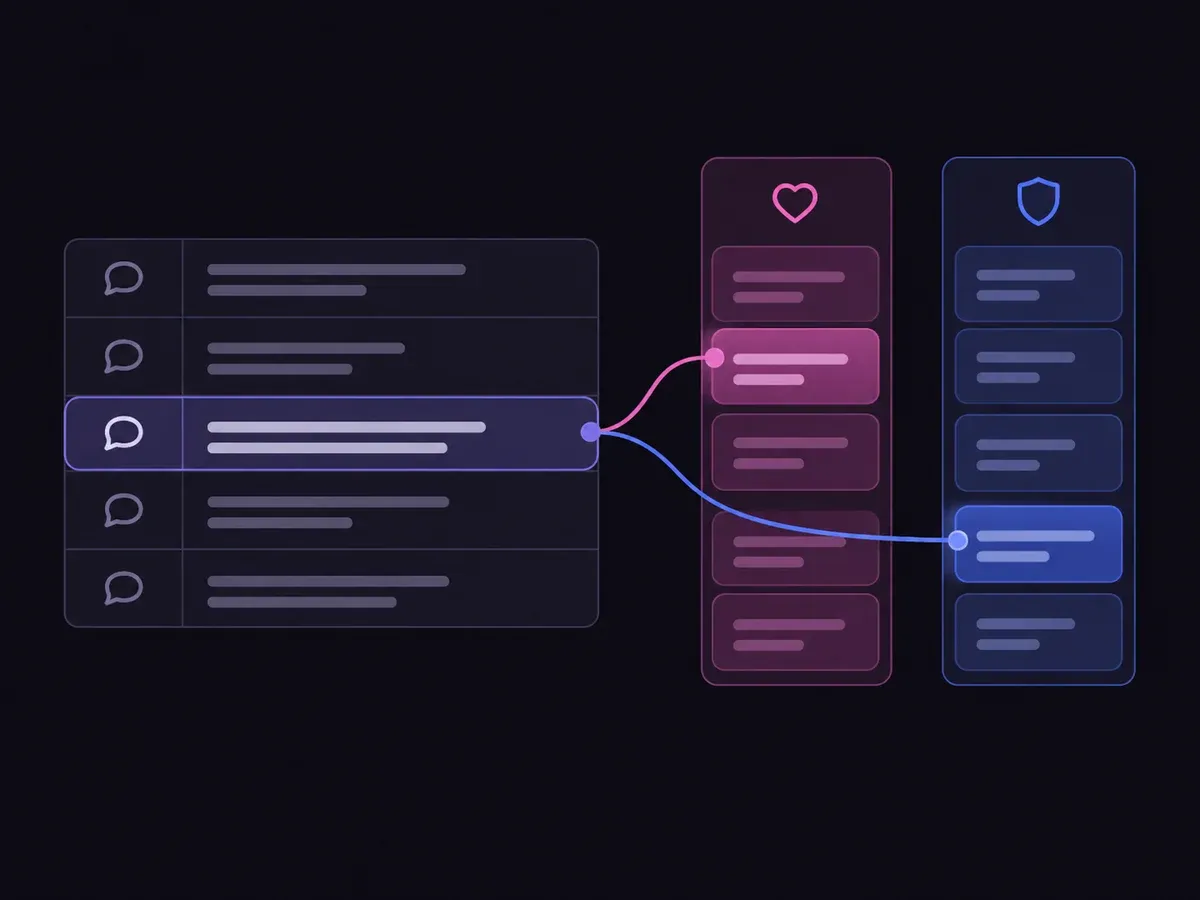
Use the sample to understand the rule, then test your own input for analytics concept routing.

Provide a question and the complete field definitions for your concept catalog.
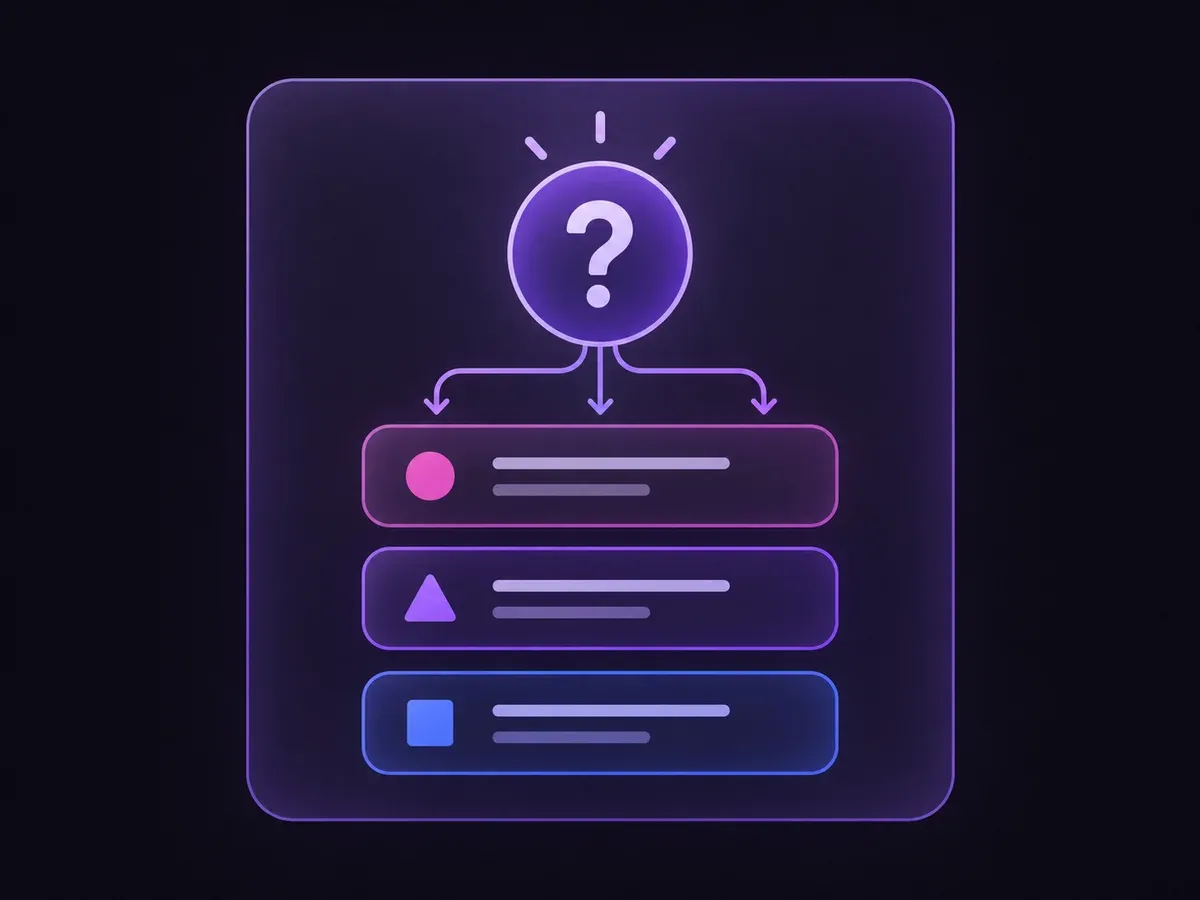
Open the decision rules and keep the intended distinction between Rear, Offroad, Electric, Multiple concepts, No concept. Edit the choices only when testing your own rule.
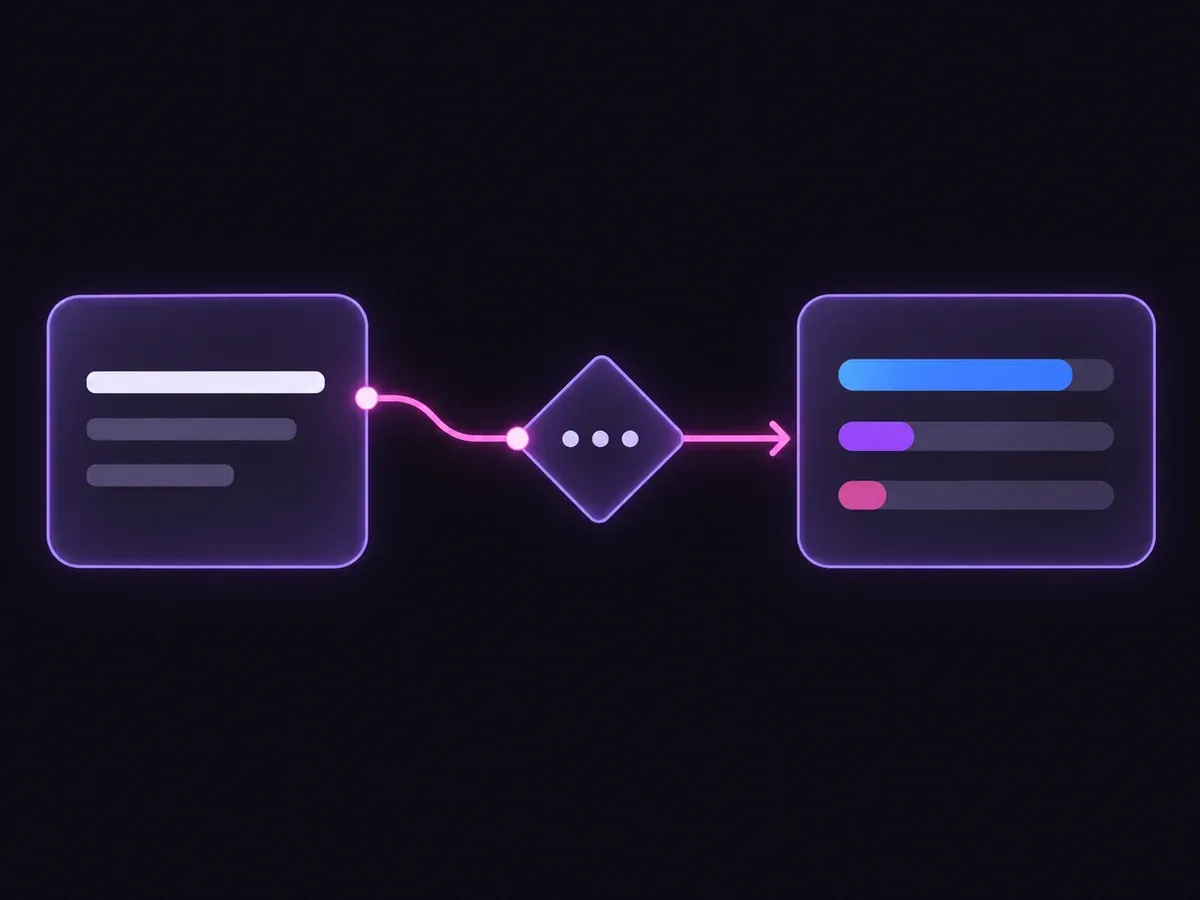
Use a sample first, then try your own input. Compare the selected label with the other returned probabilities.
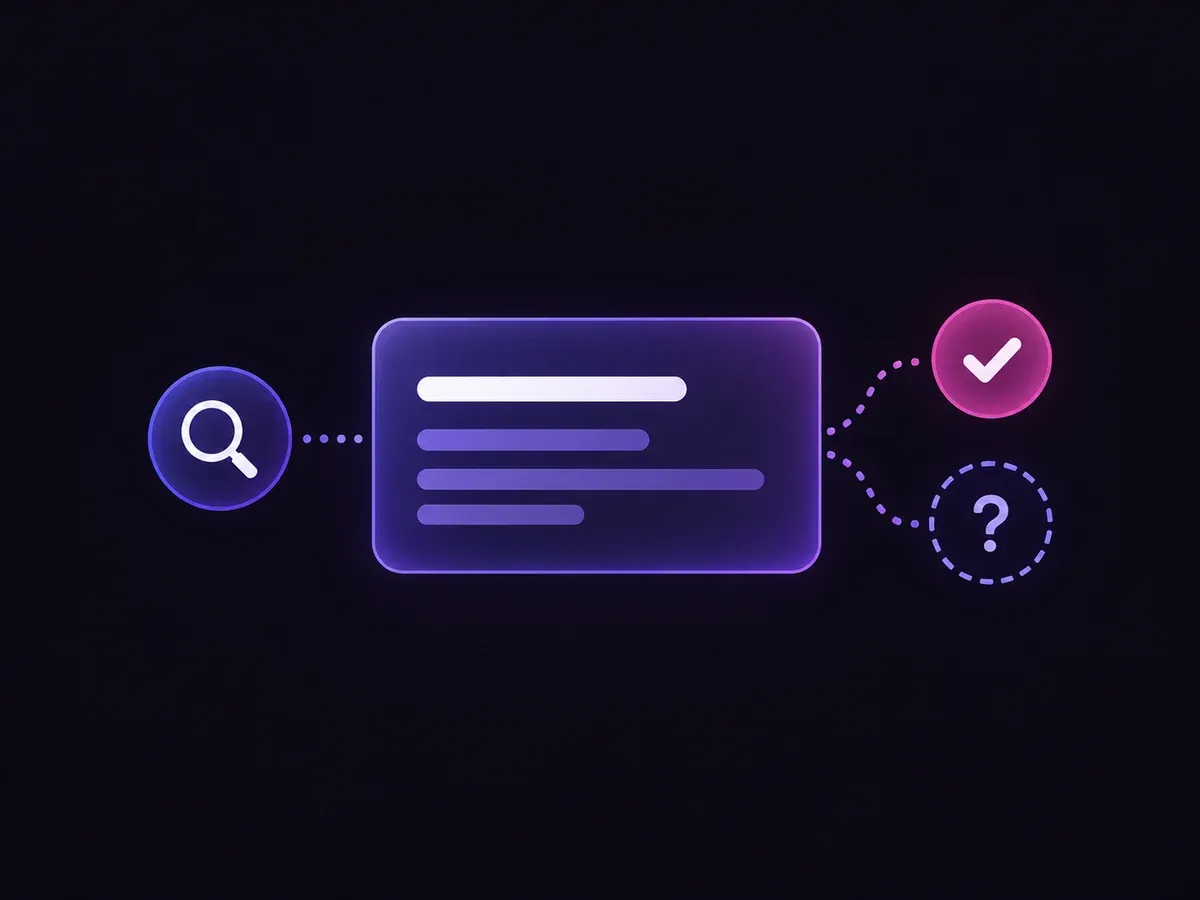
Review uncertain or unexpected results before using a result. The label is a decision about the supplied information, not an executed action.
| Original input | Observed label | Leading probability |
|---|---|---|
| Rear-wheel grouping | Rear | 100% |
| Off-road use by terrain | Offroad | 99.0% |
| Battery-charging fields | Electric | 90.0% |
| Fields from two concepts | Multiple concepts | 100% |
| A field outside the catalog | No concept | 99.0% |
| An undefined comparison | Clarify | 98.0% |
These are six original synthetic inputs, tested once per request revision. The percentage is the leading option probability, not measured accuracy. Authored expectations and any disagreements remain in the downloadable evidence. 6 of 6 results matched the authored fixture expectations.Verified
The downloads contain six original inputs, their expected labels and one recorded API observation per input revision. Disagreements stay visible.
The single-request SDK runner uses your private TYPESAFE_API_KEY. The offline consumer reads saved observations, checks request hashes and prints a pending output. It does not call the model or change any external system.
# Offline: inspect the downloaded saved observations. No API key is needed.
python preview_choice_workflow.py samples.json saved-api-results.json

# Optional live request: install the SDK and set TYPESAFE_API_KEY privately.
npm install @typesafe-ai/sdk@0.6.0
node run-choice-sample.mjs samples.json case-1
# The live response prints to the terminal; it does not update saved-api-results.json.The input contract and these limits define what the result means.
It means the supplied field definitions cover the request under this rule. Values may still be absent, permissions may prevent access, or a later query may return no records. Those outcomes need separate evidence.
A partial route can lose a filter or measure. The contract expects Multiple concepts when the catalog covers everything only across groups. It expects No concept when a required field is outside the complete catalog.
It shows named routes beside questions and result tables. It does not expose the exact routing prompt or prove database correctness. Our catalog, six inputs and single-concept coverage policy are independent examples.
No. Rear and Electric name business-field groups in the input. This decision does not select a database product, estimate query cost or compare execution engines.
It describes the distribution over the supplied choices for this request. These six synthetic examples are functional tests with authored expectations, not a production accuracy benchmark.
No. The demo displays a label and distribution. The downloadable consumer produces a pending preview packet. Application code and a separate authorization policy would control any real action.
Edit the example above to see how a changed fact affects the decision, or open the Playground for another task.